History The tea gown was part wrapper (an elegant bathrobe, worn without a corset,) and part ball gown with all its requisite luxurious details complete with train and flowing diaphanous sleeves.

Tea Fashions Echo Women’s Liberation

Heather Edwards

From corseted courts to cloche hats, tea’s rituals reshaped fashion and freedom. Tea gowns, half-wrapper, half-ball gown, whispered comfort and scandal, while tea dances let hemlines rise, waists drop, and champagne mingle with Assam. Today, vintage tea-length frocks, fascinators, and themed menus revive that deliciously elegant, gently subversive spirit.

... read more
History Adagio’s Wuyi Mountains, each with a mineral character, balanced with deep fruitiness.

From Wuyi to London: Tea’s Ocean Journey

Heather Edwards

Tea, ships, speed, and empire converge in the 1866 tea race, when sleek British and American clippers hurled Bohea and Hyson toward London, democratizing the cup. Steam, steel, canals, and ETA soon doomed sail, but Wuyi oolongs, tender greens, and humble teapots still pour that age into today’s pot.

... read more
History The 1773 Tax Act gave the British East India Company a monopoly on the New World tea trade. These efforts were so ill-advised, and so unwanted by everyone up and down the commerce highway, they left the British East India Company with millions of pounds of unsold tea and the threat of bankruptcy.

Tea and the American Revolution

Diana Rosen

Bohea, Hyson, Singlo, Congou: precious Chinese teas locked in mahogany teapoys, poured from porcelain echoing Yixing grace. Parliament’s misjudged 1773 Tax Act, double-dipping colonists to rescue the East India Company, met smugglers, Sons of Liberty, moonlit Mohawk disguises, 342 chests shattered into Boston Harbor—and, with the Intolerable Acts, revolution steeped.

... read more
History There is no rest, however, for its stellar tea industry, the world’s third largest producer after China and India.

From Highlands to Teacups: Kenya’s Finest Teas

Diana Rosen

Kenya, “God’s resting place,” never rests in tea: over 550,000 smallholders blanket its highlands, yielding world‑class black leaf for global blends. Rooted in colonial experiments yet powered by harambee, Kenya’s handpicked CTC exports fuel everyday chai—strungi or tangawizi—sipped alongside chapati and mandazi, rather than formal British-style ceremonies.

... read more
History Find grace in the small, handless teacups on our Masters website!

Tea History: Why Don’t Asian Teacups have Handles?

Heather Edwards

Handleless teacups trace their lineage from ancient nomadic bowls to Chinese whisked-tea contests, refined gaiwan etiquette, and global trade. Exported as packing, they shaped British saucers and later inspired handled porcelain fashions. Today, small Asian cups, matched to personaliTEA, preserve heat, highlight nuanced infusions, and leave space for friendship and affection.

... read more
History Easy-to-use, and large enough to brew tea in a pot or cup, these German-made disposable filters require no holder or tea ball. Taste-neutral, chlorine-free bleached wood and hemp fibers. Each box holds 100 filters. Great for camping, the office, or anywhere you brew tea.

The 180+ Year Evolution of the Teabag

Diana Rosen

From temperance “tea parties” and muslin socks to silk sachets, German “teebomben,” and Rambold’s double‑chamber marvels, the teabag evolved through paper, abaca fibers and branded tags into today’s nylon and PLA pyramid bags—roomy enough for whole leaves, portable enough for anywhere, still inviting inventive new fabrics and forms.

... read more
History Chai and its ingredients

The Roots of Chai

Alyssa Goulet

Chai, Hindi for “tea,” began millennia ago as a caffeine-free royal spice infusion. Black tea, milk, and sweetener joined in the British colonial era, then spread widely as costs dropped and CTC tea emerged. Today, masala chai appears worldwide in countless variations, from traditional street cups to pumpkin and “dirty” lattes.

... read more
History Tea Pets

A breif, and cute, History of Tea Pets!

Alyssa Goulet

Tea pets, born from Yuan Dynasty Yixing clay traditions, are “fed” with leftover tea, deepening their color, gloss, and fragrance. Shaped as dragons, pigs, dogs, or birds, they carry mythic meanings of power, luck, and wisdom, blending symbolism, playful function, and personal ritual into everyday tea ceremonies.

... read more
History Herbs & Spices = Tisanes

Tisanes: From Legends to Present Day

Alyssa Goulet

Tisanes, “tea without tea,” are ancient herbal infusions of leaves, roots, flowers, fruits, and spices. Legendary Chinese healer Shennong popularized them as medicine; colonial Americans embraced them post–Boston Tea Party. Today, from TCM remedies to bedtime chamomile and refreshing iced blends, tisanes balance flavor, tradition, and wellness—consult professionals before prescribing your cup.

... read more
History Gilded cups and saucers

Is It REALLY an Antique?

Diana Rosen

Thrift stores brim with once-cherished china, silver, and glass, turning teapot and teacup collecting into an accessible hunt. Learn to distinguish antique from vintage, seek esteemed makers and Occupied Japan marks, note color, form, and decoration, then buy what delights you—whether historic porcelain or a single Yixing pot seasoned over time.

... read more
History Selection of Clay Pots

Teapot Evolution: Seeing Today’s Teapots Clearly

Diana Rosen

In life’s hurly-burly, a daily tea vacation restores balance. From rugged Yixing clay and Brown Betty stalwarts to silver, tetsubin iron, luminous glass, borosilicate marvels, Tritan teamakers, and whimsical ceramics, evolving teapot craft heightens pleasure, preserves heat and flavor, and transforms ten mindful minutes into artful, healthful ritual.

... read more
History White Tea

ALL ABOUT WHITE TEA

Diana Rosen

Ephemeral, exquisite, delicate: Fujian-born white tea enchants with downy buds, melon sweetness, floral fragrance and dancing leaves. Sun-kissed, painstakingly withered, it yields Silver Needle, jasmine-scented whites, Bai Mudan, Shou Mei, Snowbud, and White Darjeeling. Brew briefly at low heat, re‑infuse, and savor its subtle qi and lingering grace.

... read more
History Black Tea

ALL ABOUT BLACK TEA

Diana Rosen

Black tea, fully oxidized and carefully processed, became globally beloved for its shelf-stability on long sea voyages. Today India, Sri Lanka, Africa, and China craft distinctive regional styles, from brisk Assams to fragrant Darjeelings and smoky Lapsang. Stored airtight and brewed thoughtfully, black tea rewards experimenters with endlessly nuanced cups.

... read more
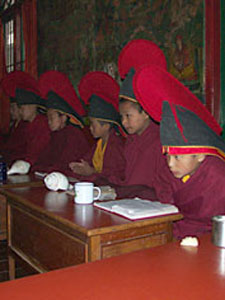
History Enjoying Yak Tea

Yak Butter Tea: The Original Bulletproof Beverage

Jenessa Puenner

Long before Western “bulletproof” trends, Tibetans sipped steaming bowls of yak butter tea: pu erh, salt, yak milk and butter, churned thick as soup and endlessly refilled. Fuel for harsh Himalayan cold, it offers dense calories, probiotic fermentation, enhanced antioxidant absorption, and a ritual warmth modern dieters only recently rediscovered.

... read more
History Tea and Dunking Treats!

The Dunk Heard 'Round the World

Heather Edwards

From Roman wine-soaked wafers to British biccies, global dunkers cherish twice-baked rusks, biscuits, and cookies softened in hot tea, coffee, chocolate, or wine. Traditions span paximadi, khasta, stroopwafels, boksum, sookhar, and Tim Tam Slams, blending history, physics, flavor pairings, etiquette, and timing into the messy, practiced art of perfect dunking.

... read more
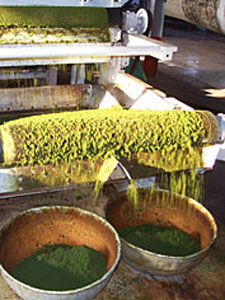
History Learning about the history of Green Tea.

All About: Green Tea

Heather Edwards

From Shen Nung’s legendary sip to Tang dynasty refinement, green tea spread from China to Japan and beyond. Carefully fired or steamed, it yields vivid cups from Gyokuro to Long Jing. Brew briefly with cooler water, savor plain, and explore Adagio’s many verdant, fragrant, subtly nuanced green tea treasures.

... read more
History All About Tea

All About: Oolong

Diana Rosen

Oolong, the black dragon of tea, bridges verdant pouchong and burnished rock teas in a fragrant arc of orchid, honey, and smoke. Born in Fujian and perfected in Formosa, its bruised, oxidized leaves reward gung fu brewing with multiple infusions, silky mouthfeel, and lingering, harmonious houyin in every cup.

... read more
History Blending Tea Leaves

An Introduction to Adagio’s Signature Blends

Natasha Nesic

Adagio’s Signature Blends transform books, shows, games, and characters into cups of tea, merging fandom and flavor. From early custom experiments to sprawling Doctor Who and My Little Pony lines, community “blend-benders” remix vanilla, chocolate, and green tea into sippable stories—an evolving, shared, synesthetic tea-fandom culture.

... read more
History

Darjeeling: The First Harvest of Spring

Mary Ann Rollano

High in Darjeeling’s Himalayan mist, ancient Camellia sinensis bushes yield the Champagne of Tea. Hand-plucked leaves, scarce and coveted, express season and soil: ethereal first flush, muscatel second flush, robust autumnal flush. Brew with care, sip golden fragrance, and taste a transcendent landscape in every fleeting, memorable cup.

... read more
History

Tea Acronyms: What Do Those Words & Letters Mean?

Heather Edwards

Nineteenth‑century British planters bequeathed tea a secret code: OP, BOP, TGFOP, FTGFOP. In India and Sri Lanka, these initials weigh leaf wholeness, bud and tip, flush and fragrance—full leaf, broken, fannings, dust. Flowery, tippy, golden grades promise careful plucking, nuanced liquor, and connoisseurs’ quiet, steaming delight.

... read more
History

History of the Tea Strainer

Samantha Albala

Before neat little boxes and disposable bags, there was the tea strainer: evolving from bamboo to silver, accompanying tea’s journey from Tang Dynasty monks to Victorian parlors. Though bags reshaped habits by accident, loose leaf, ample space, and charming strainers still offer superior flavor, creativity, and ritual in every cup.

... read more
History Holiday Teas

Holiday Tea Parties & Temperance in the 1800s

Luke Pabst

Gin-soaked Britain, facing an industrial age with a hangover, discovers tea: cheap, hot, disciplined salvation in a cup. Borrowing China’s sober wisdom, Temperance Halls replace taverns; vast boilers roar, choirs swell, pledges rise. Christmas gatherings glow with trees, toys, sermons, steam. Boisterousness fades; heartfelt merriment, minus “after consequences,” prevails.

... read more
History Yaupon Holly

The Origins and History of Yaupon Holly

Leroy Burnett

Yaupon Holly, North America’s lone caffeinated native, once rivaled global teas, then vanished under the shadow of Ilex vomitoria and imported leaves. Now this drought-hard, bird-beloved shrub resurfaces as antioxidant-rich, locally foraged tisane, ceremonially storied yet gently stimulating, reconnecting modern drinkers with an old, rooted, Southeastern landscape tradition.

... read more
History "Take some more tea," the March Hare said to Alice, very earnestly.

Carroll's Classic Celebrates Sesqui-Centennial

Diana Rosen

In this sesquicentennial year of Alice’s adventures, we sip our tea between satire and nonsense, recalling arsenic pastries, chalky milk, and prim Victorian edicts. Now, pepper and garam masala dance in our cups, etiquette has softened, and a Mad Hatter’s Tea Moderne invites everyone to read, nibble, pour, wonder.

... read more
History Whisk and Chawan

The Ancient Tea with Modern Benefits

Diana Rosen

Matcha, Japan’s vivid powdered green tea, evolved from Chinese origins into the shoguns’ drink of bun and bu—art and arms—central to politics, diplomacy, and refined contests of discernment. Today, its gyokuro-based sweetness, Zen-rooted tasting, and carefully whisked preparation continue an elegant ritual of focus, hierarchy, and hospitality.

... read more
History Customer Profile Photos

Adagio Celebrates 15th Anniversary

David Schloss

Fifteen years ago, Adagio began with one employee in a family garage and a single online order. Now boasting thousands of customers, dozens of staff, multiple warehouses and retail stores, we celebrate our passionate customer family with a profile-photo mosaic—and heartfelt thanks for inspiring our continuing journey with incredible tea.

... read more
History In Support of Tea

Essayist Calls Tea

Diana Rosen

Once damned as “pernicious” liquid fire corrupting morals, nerves, wallets, and women’s spinning wheels, tea survived Wesley’s fretting and Hanway’s contradictions to become Britain’s civilizing brew. Satirists defended it, boiling water made it safer than ale, industry bloomed around its rituals, and afternoon tea triumphed—despite poor Hanway’s lifelong, fuming bachelorhood.

... read more
History A Shizuoka Tea Farm

Japanese Tea and Radiation

Christine Banks

Fukushima’s fallout cast a long, invisible plume over Japan’s $1.3‑billion tea industry, tainting leaves with cesium, sparking shipment bans and consumer anxiety. Yet testing shows most teas—especially from western regions—remain within stringent Japanese limits, leaving Shizuoka as a cautious question mark and overreaction as growers’ most bitter aftertaste.

... read more
History Rainfall is important to tea production

Climate Change - Changing Tea?

Christine Banks

Climate change reshapes global tea: shifting rains, rising temperatures, pests and erosion unsettle Assam, Sri Lanka, China and Africa, often pushing cultivation upslope or into new regions. Yields, land use and even flavor may change. Yet C3 physiology, breeding, irrigation, and adaptive management offer hope for a resilient, evolving tea landscape.

... read more
History Night Blooming Jasmine

Oolong Tea: Covering the Basics

Richard Goodness

Wu long, better known as oolong, is just tea—sun-wilted, bruised, partially oxidized, sometimes jasmine-scented—not a miracle slimming potion. All tea comes from Camellia sinensis; metabolism benefits are modest. Skip scammy “diet” blends; drink oolong you enjoy—Jasmine #12, Wuyi Ensemble, Ti Kuan Yin, Formosa #40—and brew thoughtfully, re‑infusing generously.

... read more
History Afternon Tea

How Afternoon Tea was 'Invented'

Jane Pettigrew

Afternoon tea, rooted in seventeenth‑century aristocratic tea rituals, evolved from elegant post‑dinner drawing‑room refreshments into Anna Maria, Duchess of Bedford’s fashionable five‑o’clock social custom. As dinner moved later, tea bridged the hungry afternoon, spreading from aristocracy to middle classes, with refined rooms, fine porcelain, light breads, cakes, and decorous conversation.

... read more
History The Author At Phoenix Mountain

Oolong: Hail the Black Dragon!

Angela Justice

Oolong, the “black dragon” and happy mistake between green and black, reveals its soul through oxidation, region, varietal, leaf shape, and roast. From Wuyi cliffs to Taiwan’s high mountains, Tikuanyin, Tung Ting, Pouchong, and Formosa Beauty offer fragrant, full-bodied cups that showcase centuries of craftsmanship and connoisseurship.

... read more
History Adagio Warehouse 2001

History of Adagio Teas

Amanda Schwarz

From a manicure table to a teacup, Sophie Kreymerman’s simple notion of a neighborhood shop steeped itself into Adagio: a family-run, internet-first tea house. From basement boxes to bi-coastal warehouses, twenty basic leaves to iconic wares, the business grew in measured tempo—ending, fittingly, with Sencha in her grandmother’s arms.

... read more
History Opium Smokers

Tea History: Multiple Infusions

Chris Cason

England’s insatiable thirst for tea birthed the British East India Company, which traded cheap Indian opium for Chinese tea, devastating China with addiction and war. The Opium Wars, crowned by the Treaty of Nanjing, enriched Western merchants—even virtuous Philadelphian Stephen Girard—leaving an empire broken so our teacups might be filled.

... read more
History LiberTEA

Tea Culture in America: Convenience

Chris Cason

America’s revolution birthed not only independence, but bold tea innovation. From Blechynden’s serendipitous iced tea and Sullivan’s ingenious teabags to Nestle’s instant powders and Gore-era online tea commerce, the United States reshaped global tea convenience—fitting for a nation whose Jefferson drafted independence in a beloved Monticello tearoom.

... read more
History Einstein's Drink of Choice

Einstein's Drink of Choice

Mr. Tea

Einstein, world-famed for warping space-time, refused to collapse his beverage wavefunction. Coffee? Tea? Both—and once, scandalously, at the same instant. In a mock Schrödinger experiment with joe and darjeeling, coin-flip theatrics and a cheating peek enraged the universe itself. Moral: don’t out-prank quantum reality, kids.

... read more
History Chris Cason with Santa

2004 Holiday Tea Gift Guide

Chris Cason

Dear Santa, I’ve traded puppies for puerh. History proves tea is the ultimate gift: Kuan Yin’s merciful bush, Charles II’s courtly craze, Earl Grey’s dubious diplomacy. I seek not revolution, only fragrant leaves to soothe holiday chaos and winter’s chill. Biscuits await. Still believing, your tea-struck devotee.

... read more
History Rooibos Tea

A Brief Introduction to Rooibos

Chris Cason

Born in South Africa’s Cedarberg, Rooibos transforms from green to mahogany red under the sun, yielding a naturally sweet, caffeine‑free tisane. Once nearly lost, it was revived, researched, and celebrated for antioxidant, soothing, and allergy‑easing powers. Today it flavors cups, cuisine, cosmetics, and culture, a versatile “red” renaissance.

... read more
History Bohea

Teas of Yore: Bohea, Hyson and Congou

Diana Rosen

Bohea’s dark Wu-yi leaf, Hyson’s twisted spring-green curl, and Congou’s well‑worked black perfection steep through poetry, politics, and pre‑Revolutionary parlors. Once taxed, resisted, and immortalized in verse, these Chinese teas flavored reputations and rebellion alike, yet still whisper from rare chests, warming modern readers who savor history with their cup.

... read more
History Glass Blowing

Glass Teaware Spotlight: Jenaer Glas

Michael Cramer

Born from Otto Schott’s vision of uniform glass, Jenaer Glas pioneered borosilicate and fiolax, then entered homes with elegant Bauhaus-inspired wares like Wagenfeld’s teapot. Bombed, dismantled, split by Cold War politics, it rebuilt, reconciled, reunified—and today its revived Jena factory again crafts luminous, world-renowned household glass.

... read more
History

Tea History: England's Bootleg Tea

James Norwood Pratt

Tea, taxed into contraband, seeped into England through moonlit coves and cave caches, borne by horses and cheered by parsons, farmers, and illiterate folk alike. Smugglers, glamor and bloodshed mingled, made tea universal until Twining’s persuasion and 1784’s repeal ended the black market, cementing tea as the nation’s lawful cup.

... read more
History Darjeeling #22 Tea

A Brief Introduction to Darjeeling

James Norwood Pratt

Darjeeling, India’s most fabled tea, is scarce, laborious, and Himalayan in spirit. Grown high on vertiginous slopes from China-type bushes, it yields minute quantities of intensely individual Orthodox black teas. Spring’s First Flush, exquisitely aromatic yet piercingly astringent, commands astronomical auction prices—and devoted pursuit from connoisseurs and merchants alike.

... read more
History 2002: A Year End Review of the Tea Industry

2002: A Year End Review of the Tea Industry

Diana Rosen

Tea in 2002 blossomed into a cool, healthful, and discerning pleasure: white teas ascendant, bubbles dancing in tapioca cups, flavors from chocolate to kiwi swirling through greens and blacks. Organic standards sharpened, Asian aesthetics shaped teaware, premium bottles displaced sugary impostors—and educated, demanding drinkers quietly brewed this revolution.

... read more
History

Tea History: The John Company

James Norwood Pratt

Majestic East Indiamen, John Company’s might made tea the empire’s golden tide, founding cities, forging fortunes, shaping flags and fleets. Deep-drafted “tea waggons” crawled to Canton, yet their guns bluffed France and enriched London. Behind the glory, monopoly, opium, and exile scarred China, leaving coolies, contraband, and contempt.

... read more
History A Brief History of Tea and Buddhism in China

A Brief History of Tea and Buddhism in China

James Norwood Pratt

Buddhist legend and practice shaped China’s embrace of tea. Monks bearing leaves from India, Bodhidharma’s eyelids, and mountain monasteries united cultivation, ritual, and refinement. Like Catholic wine culture, Buddhism sacralized tea, spreading it as sober clarity, meditation’s ally, and Chan ceremony—until Lu Yu codified this Way of Tea for the wider world.

... read more
History Brief Introduction to Korean Tea

Brief Introduction to Korean Tea

Diana Rosen

Korea’s tea story winds from Silla monks and Paeksan-ch’a to Koryo court rituals, Choson decline, and exile scholars reviving steeped wisdom. Buddhist master Ch’o Ui’s odes and Hyo Dang’s Panyar-o renew the Way: pale celadon bowls, careful water-cooling, subtle tastes, southern gardens, and female masters sustaining enlightened, fragrant continuity.

... read more
History The History of Orange Pekoe

The History of Orange Pekoe

James Norwood Pratt

The Dutch East India Company, a formidable maritime empire, fused trade and war to introduce tea to Europe. From Japanese green tea to China’s Bai Hao, branded royally as Orange Pekoe, they cultivated continental taste, shaped Frisian and English habits, yet ultimately misjudged demand, surrendering Asia’s tea dominion to the English.

... read more
History Tea History: How Ch'a Became Tea

Tea History: How Ch'a Became Tea

James Norwood Pratt

Few Westerners met Chinese before da Gama’s voyage opened sea routes. Portuguese “foreign devils” buccaneered along China’s coast until granted Macao in 1557, shifting luxury trade from Venice to Lisbon. Missionary Ricci praised tea; in 1610 the Dutch imported both leaf and name “tay,” from Fujian dialect, transforming Europe’s commerce and taste.

... read more
History Books about Tea: The Ch'a Ching by Lu Yu

Books about Tea: The Ch'a Ching by Lu Yu

James Norwood Pratt

Lu Yu, orphan-turned-clown-turned-scholar, retreats five years to codify tea in the Ch’a Ching, a classic rivaling the I Ching. Meticulous, literary, quasi-spiritual, it catalogues origins, tools, methods, legends, districts, and ceremony, transforming a cooling, medicinal beverage into a disciplined, transcendent art for persons of inner worth.

... read more
History Japanese Tea History: Rikiyu's Morning Glory

Japanese Tea History: Rikiyu's Morning Glory

Diana Rosen

Sixteenth‑century Japan, enriched by seaborne trade, birthed merchants of consequence and a culture of refined leisure. Amid silk and gold, Sen‑no‑Rikyu perfected wabi cha: austere, intimate, luxuriously plain. Razed blossoms, one perfect morning glory in a simple vase—thus he taught Hideyoshi the splendor of restraint and the luxury of austerity.

... read more
History Sir Thomas J. Lipton

Tea History: Thomas J. Lipton

James Norwood Pratt

Born poor in Glasgow, Thomas J. Lipton sailed to America, studied its showmanship, then returned to Britain to revolutionize retailing and tea. With spectacles of hogs and brass bands, cheap “brisk” Ceylon Orange Pekoe, packeted consistency, cables over steep plantations and a Hoboken beacon, “Sir T” brewed empire, trademark, and legend.

... read more
History Tea History: China's Downfall

Tea History: China's Downfall

James Norwood Pratt

From Canton’s cramped waterfront to Mincing Lane’s auctions, tea bound China to an emerging world economy, entwined with opium, silver, sugar, and slavery. China’s unmatched inventiveness birthed tea’s global reign, yet foreign-controlled black tea, addiction, and imperial “free trade” shattered her sovereignty—until Communist China, Inc. reentered world markets with refined green teas.

... read more
History

Brewing Up American Pride: Charleston Tea

Martha Bowes

Charleston Tea Plantation, America’s lone commercial black tea grower, crowns a century‑and‑a‑half quest to naturalize Camellia sinensis on South Carolina’s Lowcountry plains. Through climate gambles, labor dilemmas, federal retreats, and corporate exits, Fleming and Hall pursue premium, pesticide‑free “American Classic Tea,” courting Wal‑Mart shelves and loyal iced‑tea traditionalists.

... read more
History Tea History During The Industrial Revolution

Tea History During The Industrial Revolution

James Norwood Pratt

Steamships, standardized Assam and Ceylon black teas, and branded blends turned tea into an imperial industrial commodity and social ritual, from Lyons tea shops to Russian samovars. America added its own accidents: Blechynden’s iced tea and Sullivan’s tea bags—mass-market conveniences that transformed consumption while quietly degrading the leaf itself.

... read more
History Tea History: Afternoon Tea and Dancing

Tea History: Afternoon Tea and Dancing

Jane Pettigrew

Victorian tea evolved from demure drawing-room gossip and “dancing on the carpet” to tango-fuelled thé dansants in hotels and theatres. Etiquette manuals detailed tearoom layouts, menus and conduct. The tango craze transformed afternoons, waned with cocktails and Charleston, then revived postwar; today London’s grand hotels still whirl guests between teacups and dance steps.

... read more
History Iced Tea Duo

The History of Iced Tea in America and Recipes

Diana Rosen

Born at the 1904 St. Louis Exposition, iced tea now dominates American tea drinking. Using premium leaves, it shines in quick-brew pitcher methods, slow-steep sun tea, jewel-toned tea sangria, creamy dessert-style flavored teas, and delicately chilled green infusions—each celebrating refreshment, beauty, and indulgence in a glass.

... read more
History Silver Needle White Tea

Everything You Need to Know about White Tea

Joshua Keiser

From imperial Tang beginnings to Song court refinement, white tea’s pale elegance evolved from compressed cakes to powdered whisked brews, then to today’s loose-leaf Silver Needle and White Peony. Weather, withering, and meticulous picking define quality; brewed gently, white tea unveils layered sweetness, light fragrance, and shimmering, delicate liquor.

... read more
History Chinese Teaware: Brief Introduction China

Chinese Teaware: Brief Introduction China

James Norwood Pratt

Porcelain, China’s “white gold,” transformed European life: replacing fragile earthenware, ballasted tea ships, flooded chimneys and palaces, and spurred Jingdezhen’s roaring kilns. Bottger’s captivity birthed Meissen; espionage spread the secret to Worcester and Sèvres. From kaolin to bone ash, tea equipage made the finest chinaware an everyday European luxury.

... read more
History Tea History: Trading Tea for Opium

Tea History: Trading Tea for Opium

James Norwood Pratt

British thirst for tea drained silver; opium refilled coffers. The East India Company addicted China while preaching temperance at home, smuggling “foreign mud” past complicit mandarins. Chinese self-deception met British cynicism; war, “free trade,” and Hong Kong followed. Legalization doubled addiction, entwining tea, drugs, empire, and a long white disaster.

... read more
History Millennium American Tea Culture

Millennium American Tea Culture

Diana Rosen

International trade’s widening paths shower America with teas from India to Africa. Iced, black, flavored brews still rule, yet green and connoisseur teas quietly rise. Pure leaves, careful water, ritual teaware, and inventive blending invite sensual exploration. In this new revolution, abundance replaces tyranny: freedom now tastes like tea.

... read more
History Tea History: Old Myths about Tea and Health

Tea History: Old Myths about Tea and Health

Jane Pettigrew

Tea’s story winds from Lu Yu’s harmonizing elixir to Hanway’s execrable custom, from Cobbett’s destroyer of health to Tegetmeier’s soothing cordial. Condemned for breeding idleness, praised for aiding digestion, tea slips from luxury to national necessity—until modern science crowns our daily cuppa a flavonoid-rich guardian against grave disease.

... read more
History Tea History: Taxation Without Representation

Tea History: Taxation Without Representation

James Norwood Pratt

American colonists, slavishly stylish yet stubbornly constitutional, embraced tea from New Amsterdam to backwoods cabins. A threepenny tax, trivial in purse yet monstrous in principle, collided with “taxation without representation.” Boycotts, Dutch smuggling, and Parliament’s Tea Act brewed crisis, until Boston crowds asked how East India cargo might “mix with salt water.”

... read more
History Tea History: Coffeehouses & Tea Gardens in England

Tea History: Coffeehouses & Tea Gardens in England

James Norwood Pratt

Eighteenth‑century England, that most amusing and attractive of societies, steamed with tea and smoked with coffeehouses. In these penny universities, bishops and highwaymen “tossed their minds,” wit was minted, Lloyd’s was born, and sedition murmured. Outside, perfumed tea gardens let ladies, gentlemen, and “fair tea makers” consort beyond class.

... read more
History Tea History: The Age of Tea Clipper Ships

Tea History: The Age of Tea Clipper Ships

Jane Pettigrew

From Canton’s sluggish tea wagons to Rainbow, Sea Witch, Ariel, and Taeping, the China trade transforms into fierce clipper races. Sleek, yacht-like ships chase spring-picked teas and premium prices through monsoon, reef, and gale, until steam, Suez, and time eclipse their glory—leaving Cutty Sark as shimmering survivor and shrine.

... read more
History French Tea Culture: Mariage Frères

French Tea Culture: Mariage Frères

Karen Burns

In Paris, Mariage Frères embodies the French art of tea: a historic tearoom where colonial décor frames 500 sublime varieties, exquisite mélanges, and meticulous infusion. From Gyokuro to Marco Polo, tea jellies to “Fils du Ciel” teapots, it turns diversity, presentation, and sensual detail into an elegant, timeless ritual.

... read more
History Tea History: Russia Discovers Tea and a Somovar

Tea History: Russia Discovers Tea and a Somovar

James Norwood Pratt

Russia twice spurned tea before the Gobi frontier fixed its fate. Through Usk Kayakhta and Mai-mai-cheng, endless camel caravans swapped furs for cotton and, increasingly, tea. Astronomical prices yielded aristocratic luxury, then imperial caravans, samovars, sugared glasses, and legendary caravan tea—romantically dear, slow as a camel, yet central to Russian life.

... read more
History The History of Afternoon Tea: The Invention

The History of Afternoon Tea: The Invention

Jane Pettigrew

Afternoon Tea in England evolved from 17th‑century aristocratic tea rituals: costly imports, porcelain pots, ladies’ closets, and elegant manners. As dinner moved later and luncheon remained light, Anna Maria, Duchess of Bedford, popularised a sociable five‑o’clock tea. Bread, butter, delicate cakes and gracious conversation still define its refined tradition today.

... read more
History Tea History: Arrival in Europe

Tea History: Arrival in Europe

James Norwood Pratt

Tea slipped into Europe with Dutch ships and Portuguese precedents, fetching absurd prices yet suiting Vermeer’s affluent burghers. Apothecaries peddled it as medicine; Bontekoe praised prodigious consumption. Doctors thundered doom, mocked Chinese complexions, and decried spoiled leaves. France and Germany flirted, then retreated to wine, coffee, and beer; England and Russia embraced.

... read more
History Tea History: John Company and England

Tea History: John Company and England

James Norwood Pratt

Spain and Portugal bestrode global trade, yet one captured carrack revealed Asia’s staggering riches to Elizabethan England. Chartered “for the honour of the nation,” the East India Company evolved from daring voyages and fortified factories into a quasi-sovereign empire-builder, ultimately wielding its greatest power through an intoxicating, court-fashionable, world-shaping monopoly: tea.

... read more
History A Brief Tea History: Equal Opportunity Beverage

A Brief Tea History: Equal Opportunity Beverage

Wendy Rasmussen

Tea, ancient and healthful, long languished in America’s “Doily Ghetto,” overshadowed by macho coffee culture and boys-only British coffee houses. Twining’s inclusive tea rooms cracked the door; coffeehouses whisper-sold Darjeeling. Now tea stands unapologetically center stage—urban, diverse, unpinkied, crossing cultures and generations. Hooray for equal access, hooray for tea!

... read more
History 11 Ways to Find the Perfect Cup Of Tea

11 Ways to Find the Perfect Cup Of Tea

George Orwell

Tea, mainstay of a civilized nation, is scandalously ill‑treated in cookery books; yet its making provokes fierce quarrels. I therefore prescribe eleven inviolable rules: strong Indian leaf, a warmed china pot, boiling water, no gadgets, breakfast cups, creamless milk, tea before milk, never sugar—so rations still yield twenty properly bracing cups.

... read more
History

The History of Ceylon Tea

Jane Pettigrew

Coffee ruled Ceylon until fungus, failure and one Scotsman’s stubborn experiments remade the hills in tea’s image. James Taylor planted, rolled and fired leaf by hand; Thomas Lipton packaged, branded and undercut middlemen. Together they turned devastated plantations into Sri Lanka’s emerald empire, pouring affordable Ceylon into British teapots.

... read more
History

Tea History: Tea and the Guillotine

Karen Burns

Introduced to Paris in 1636, tea captivated French aristocrats, physicians, and writers, spawning medical claims, milk-infusion fashions, and exotic imports. The Revolution decapitated both monarchs and tea’s prestige, but nineteenth‑century Anglomania revived it. Mariage Frères, modern salons, culinary experimentation, and connoisseurship now crown tea a refined French art, rivaling wine.

... read more
History

The Decline of High-Quality Chinese Tea?

Bridget D. Farrell

Chinese tea, once synonymous with abundance, has faltered under half‑hearted reform. Household plots, state contracts, and laogai plantations leave vast gardens yielding little. Inefficient scales, warped incentives, and prison labor depress both quantity and quality. Yet, as markets deepen and trade pressures mount, tea’s troubled “no man’s land” may finally disappear.

... read more
History

The History of Women and Tea

Eve Hill

Tea is not an estrogen beverage, nor is its story solely masculine. From Catherine of Braganza’s courtly fashion to steadfast merchants, rebellious Penelope Barker, inventive Anna of Bedford, and countless widows sustained by small tea rooms, women shaped Western tea culture. Raise your cup to inclusive, shared, enduring tea.

... read more
History

Bried History of Indian Tea

Jane Pettigrew

Wild Assam shrubs, half-forgotten by Banks and the East India Company’s Chinese fixation, became empire’s answer once monopoly collapsed in 1833. Bruce’s harsh Assam experiments proved native plants superior; factories, gardens and hill stations from Darjeeling to Nilgiris followed, exports soaring until India rose among the world’s greatest tea producers.

... read more